Blog
SMB finance insights
How AI Is Rebuilding Business Processes and What Companies Should Do: Global Practice and Kazakhstan
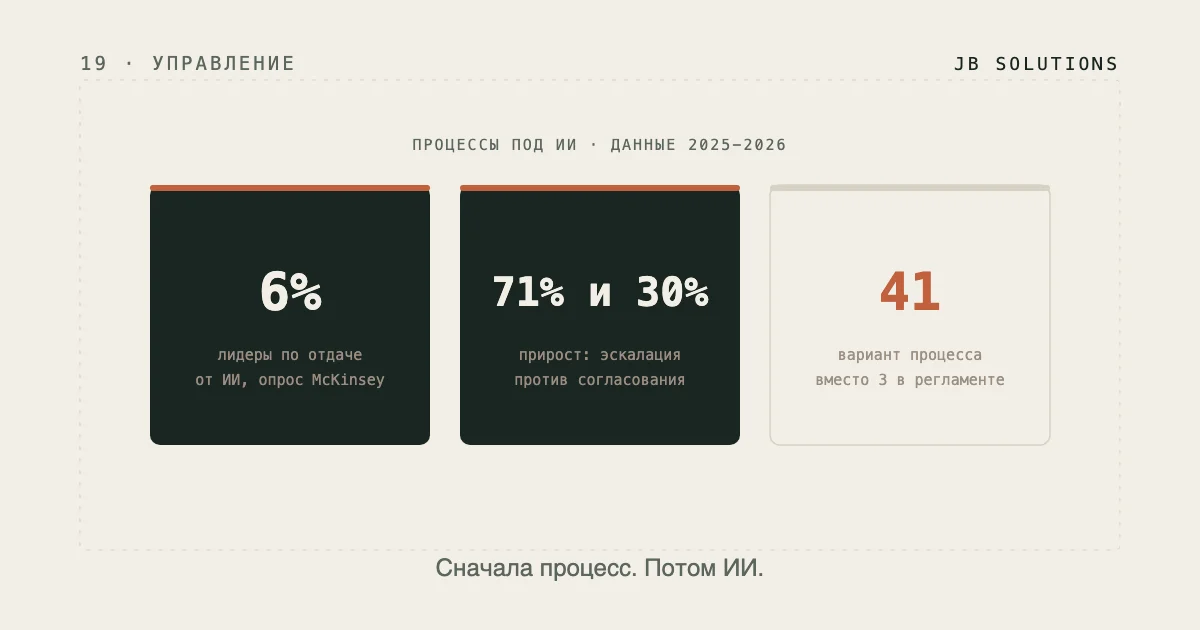
AI agents change the order of work itself, beyond the speed of individual steps. Using Gartner, McKinsey, Stanford and HFS data, we review which processes are rebuilt first, how an escalation model differs from an approval model, what holds most companies back, and how to act in Kazakhstan.
Who Decides What in a Group of Companies: When It Is Time for the Owner to Delegate
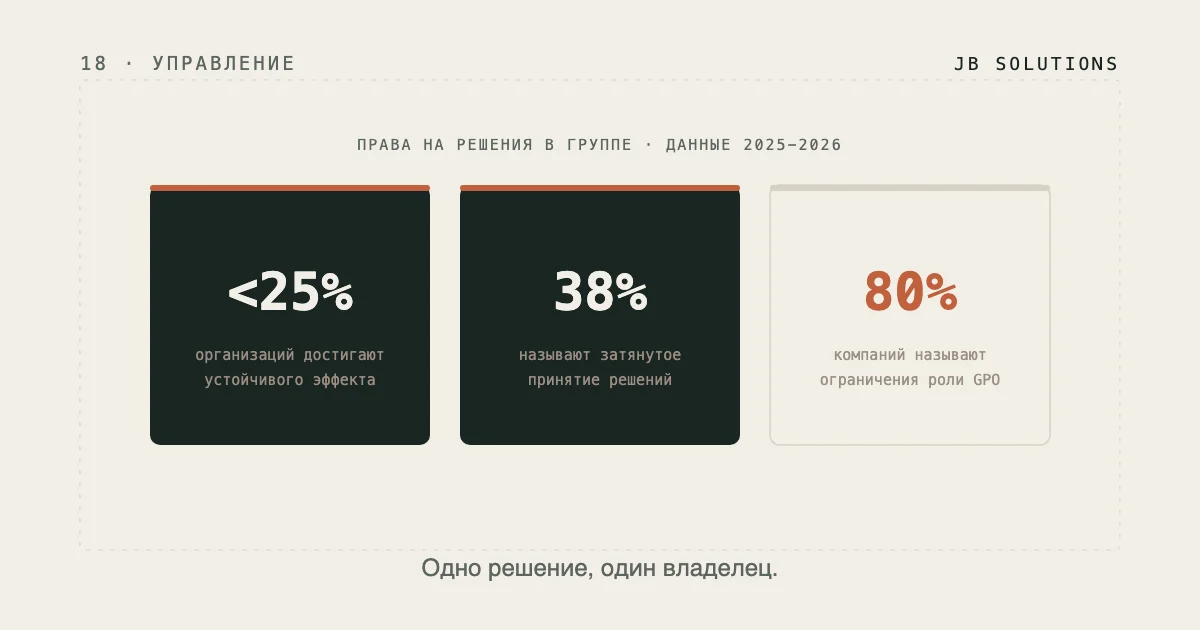
The company has grown into a group, yet every decision still runs through the owner. We review what 2025-2026 research by McKinsey, EY and Deloitte says about decision rights, what AI changes, and propose four pillars for running a group.
Shared Service Centers Are Changing Their Purpose: From Labor Savings to a Foundation for AI
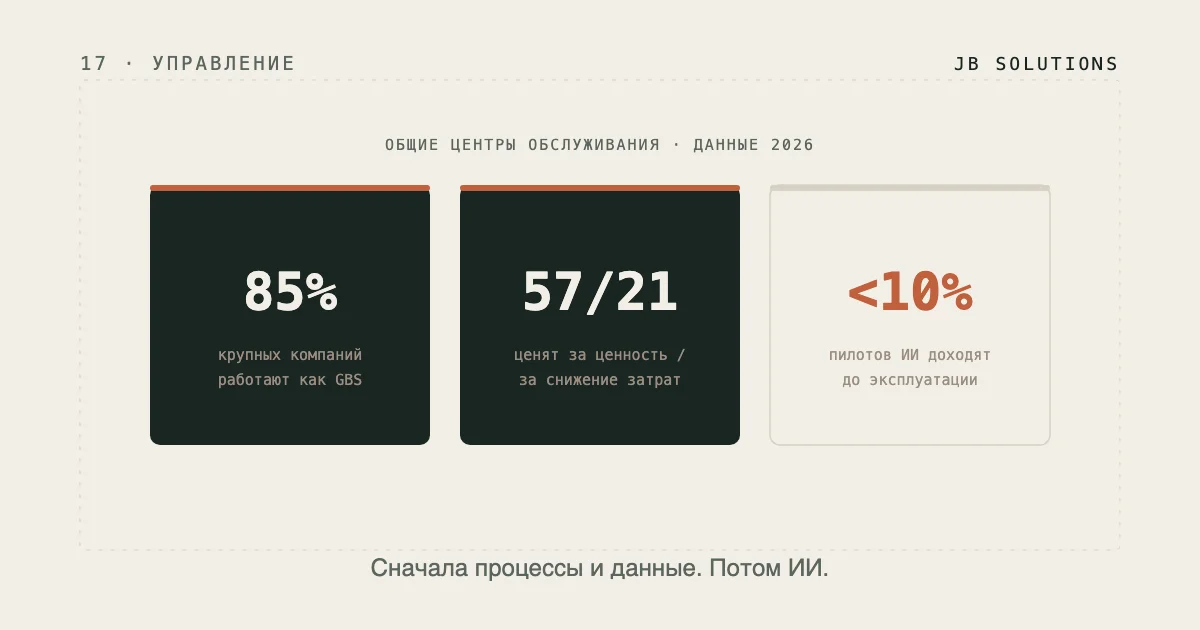
85% of large companies already run a shared services or GBS model. In 2026, centers are valued for the value they create, and AI delivers where processes and data are already consolidated. We review the latest SSON, Hackett, PwC and HFS research and five questions to ask about your own SSC.
Что исследования BCG и McKinsey значат для малого бизнеса Казахстана
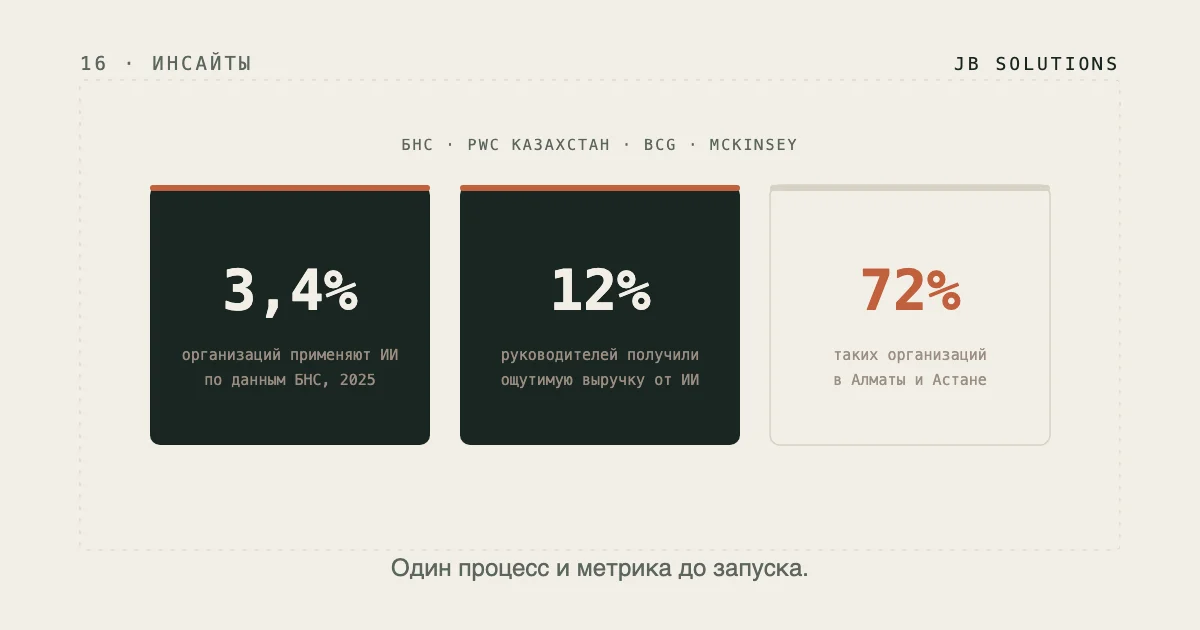
Почти половина компаний мира по данным BCG получает ценность от ИИ. В Казахстане технологии ИИ применяют 3,4% организаций, а ощутимую дополнительную выручку от них видят 12% опрошенных руководителей. Что переносится на малый бизнес, что требует закон об ИИ и какая поддержка есть.
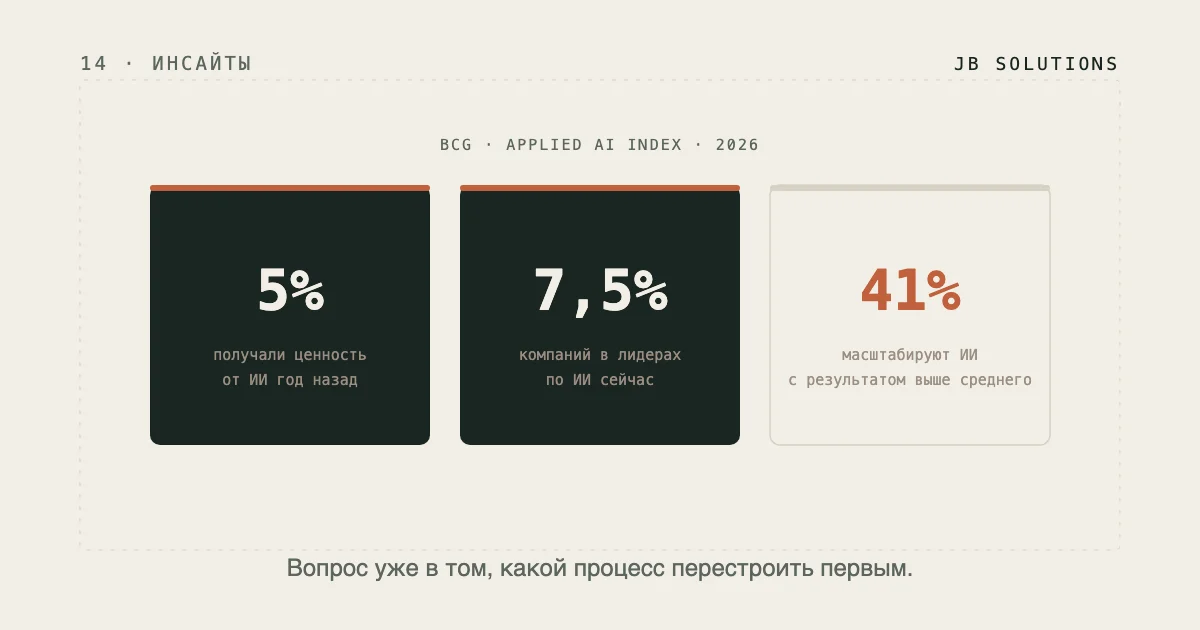
Год назад ценность от ИИ видели 5% компаний. Теперь почти половина
BCG опросила 1 330 руководителей: 7,5% компаний в лидерах по ИИ, ещё 41% масштабируют его с результатом выше среднего. В прошлогоднем исследовании значимую ценность получали 5%. Разбираем, из чего складывается цифра и какие у неё ограничения.
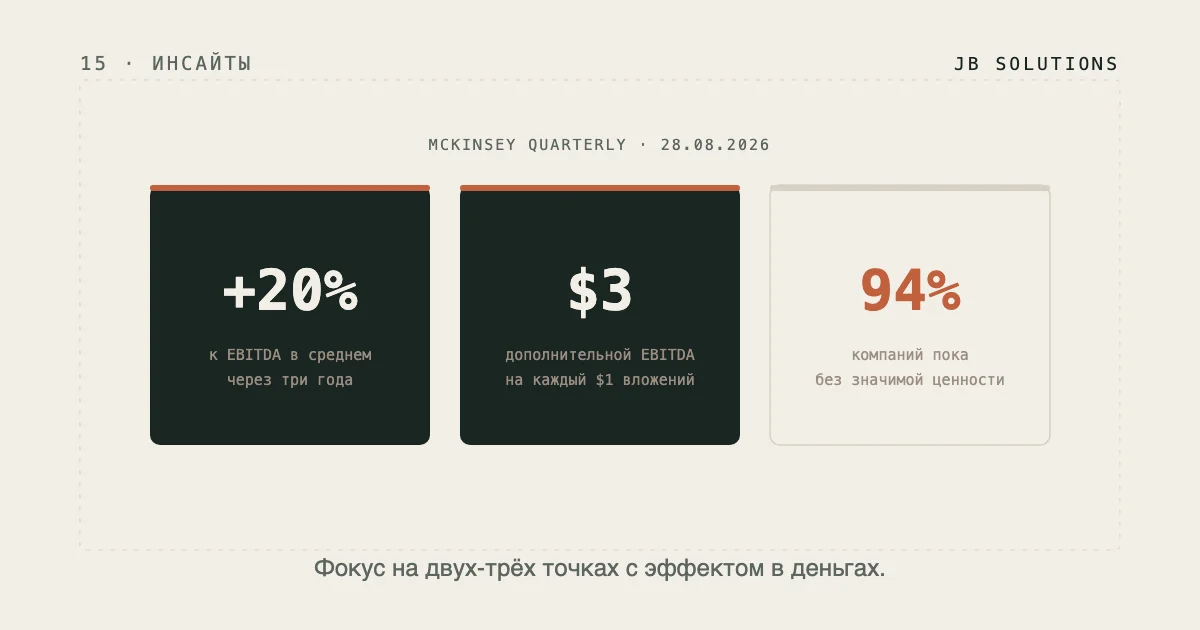
McKinsey изучила 20 компаний, которые заработали на ИИ. Что у них общего
В среднем +20% к EBITDA за три года и 3 доллара дополнительной EBITDA на каждый вложенный. Две трети компаний сосредоточились максимум на трёх направлениях. Разбираем, что общего у этих компаний и какие у выборки ограничения.
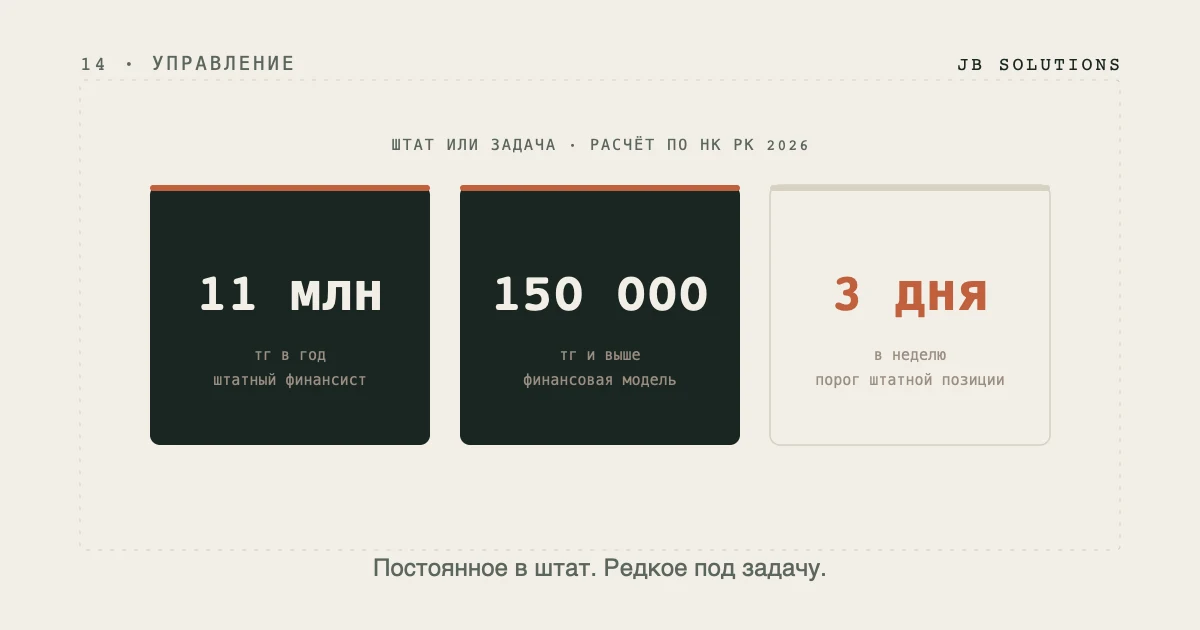
Expertise per Task: How a Business Gets a Strong Finance Professional for as Long as It Needs
A financial model for the bank, a review of a business before buying it, a management accounting setup: tasks like these come up a few times a year. We calculate what it costs to keep staff for them and what bringing in a specialist per task delivers.
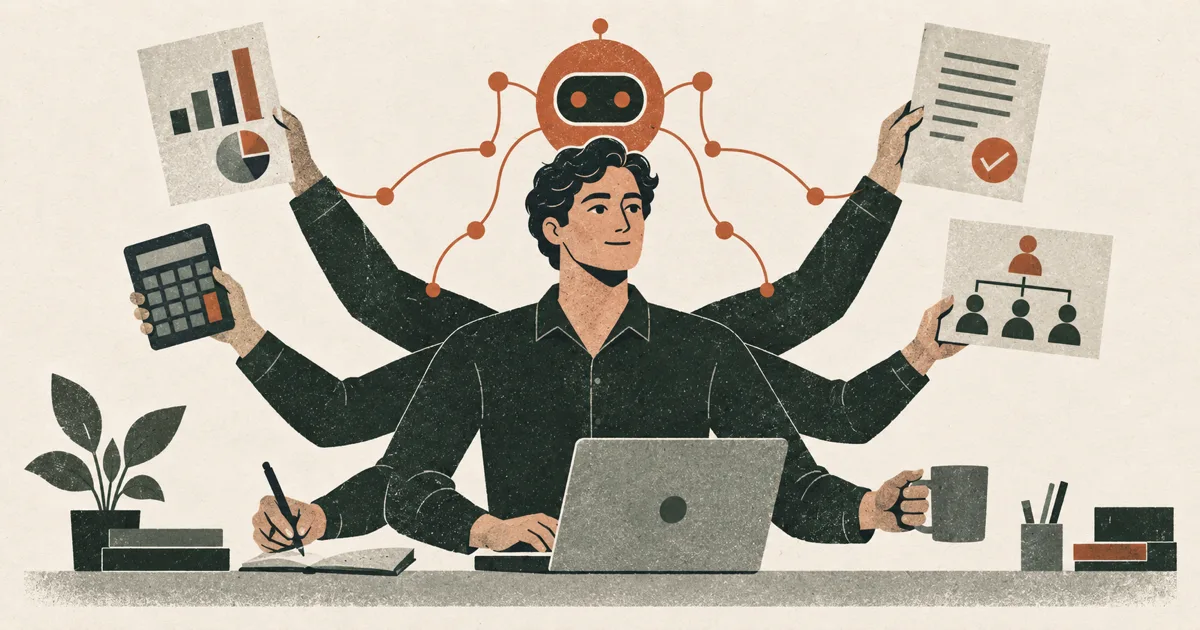
AI and Narrow Specialization: What 2025-2026 Research Says About Teams
One person with AI delivers the quality of a team of two, and 16.8% of work requests to ChatGPT concern tasks from another profession. At the same time, the gain in judgment from working with AI goes to the experienced. We look at what this means for a small company.
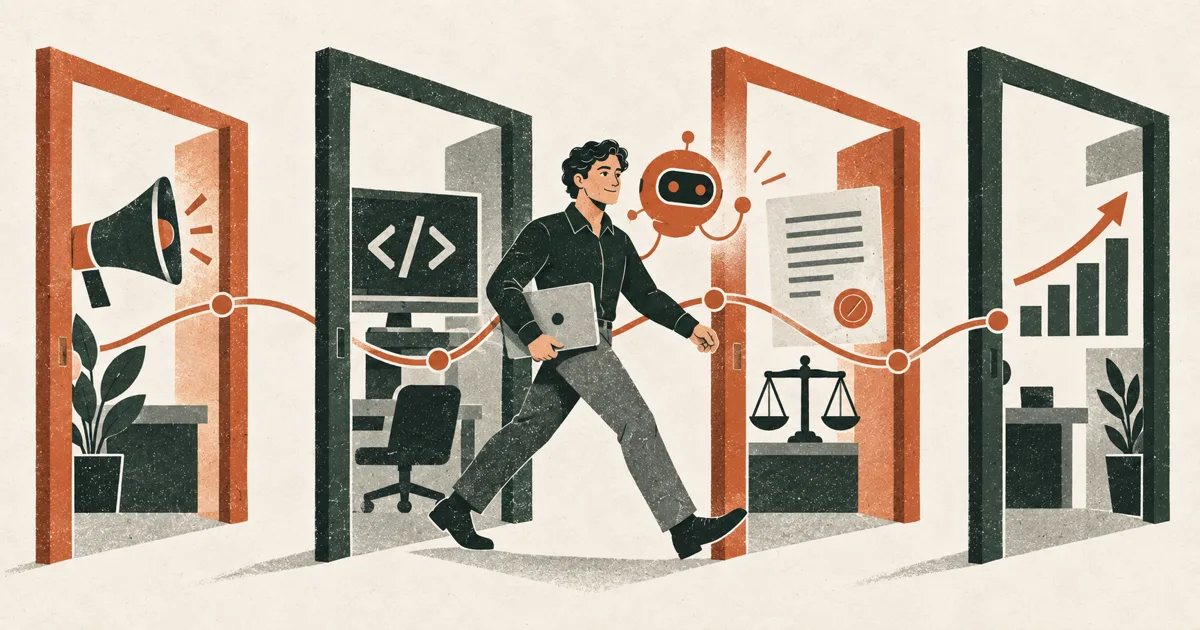
Where a Job's Boundary Lies: 16.8% of Work Requests to AI Concern Someone Else's Job
OpenAI analyzed more than 800,000 work-related ChatGPT messages. One in six concerns a task that used to belong to a different occupation, and in small companies the share is higher.
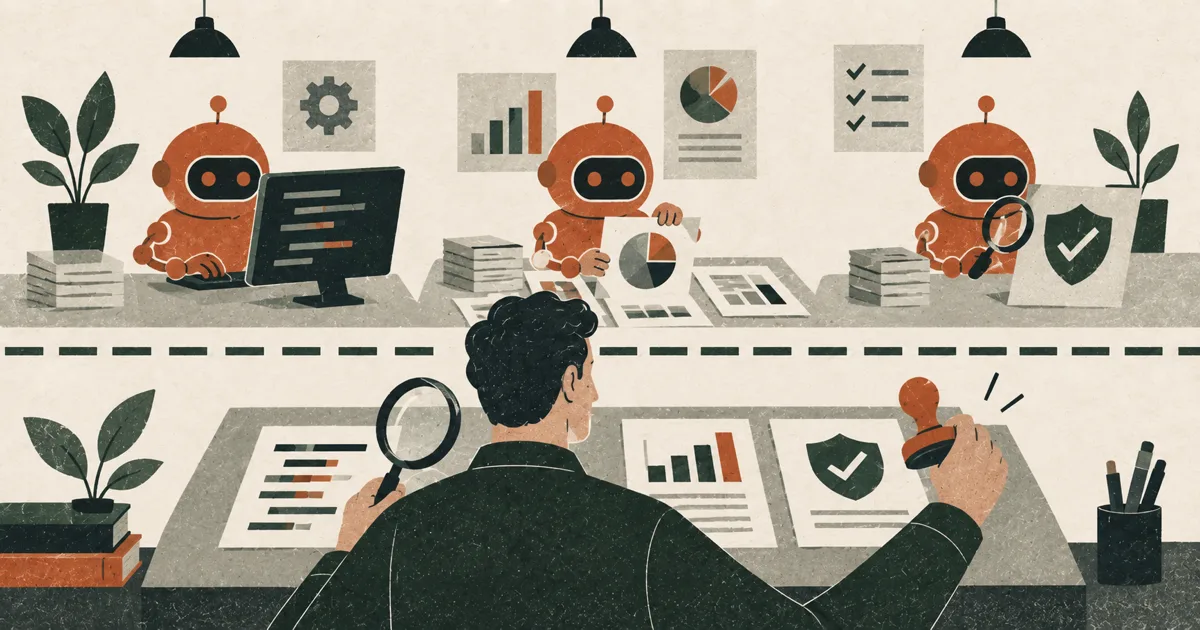
What AI Agents Already Do on Their Own and What Stays With People: A Spring 2026 Snapshot
METR was given access to internal models at Anthropic, Google, Meta and OpenAI. Agents run projects worth hours and days of human work on their own, yet fall well short of experts in judgment and reliability. We look at where the line runs.
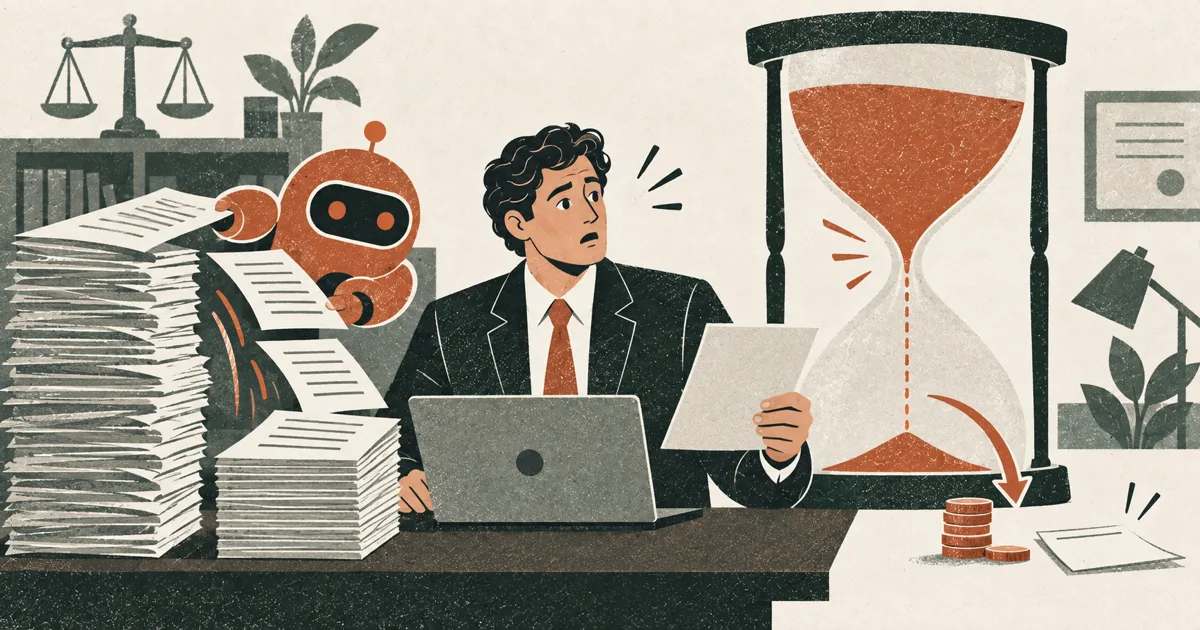
The Hourly Billing Trap: Three Quarters of Small Law Firms Use AI, a Third Saw Revenue Grow
According to a Clio survey, 71% of solo lawyers and 75% of small firms in the US use AI, while 32% and 31% report revenue growth. The gap comes down to pricing: under hourly billing, the time saved shrinks the invoice.
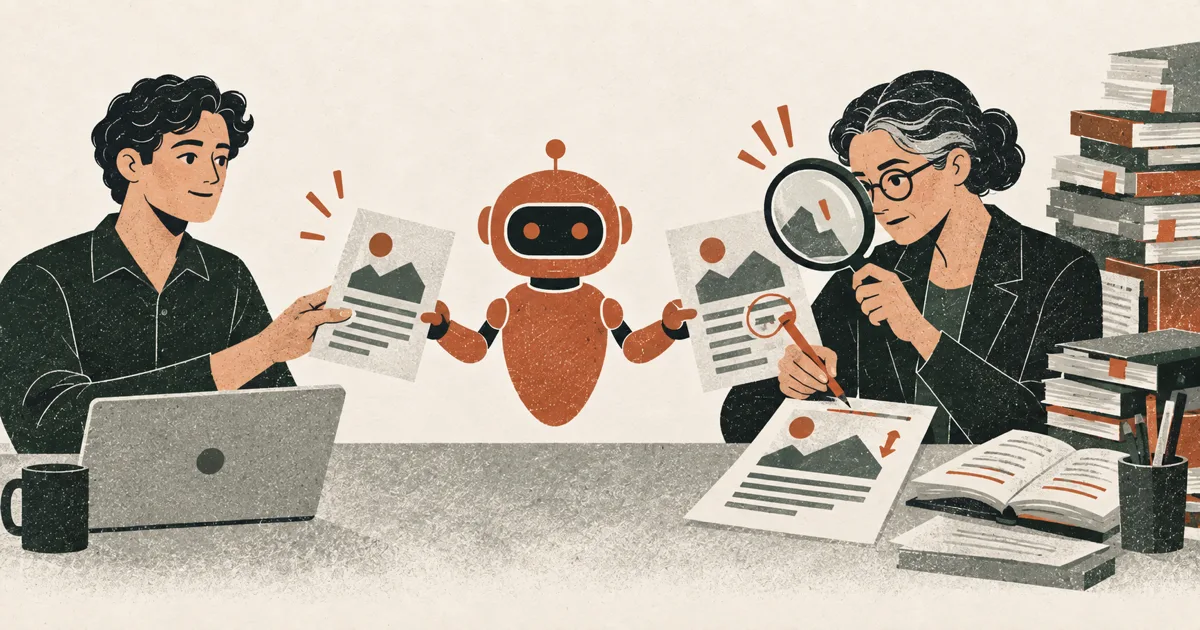
Who Does AI Strengthen More: the Novice or the Experienced Professional?
Two 2026 experiments with lawyers show that AI quickly lifts the quality of a novice's work, while independent judgment grows among the experienced. A short training on the tool delivers more than access alone.

AI and the Hiring of Young Professionals: What the Data Shows and What Economists Dispute
According to Stanford data, employment of workers aged 22-25 in AI-exposed occupations stands 19% below that of their peers in other occupations. The OECD considers the role of AI limited. We go through both positions.
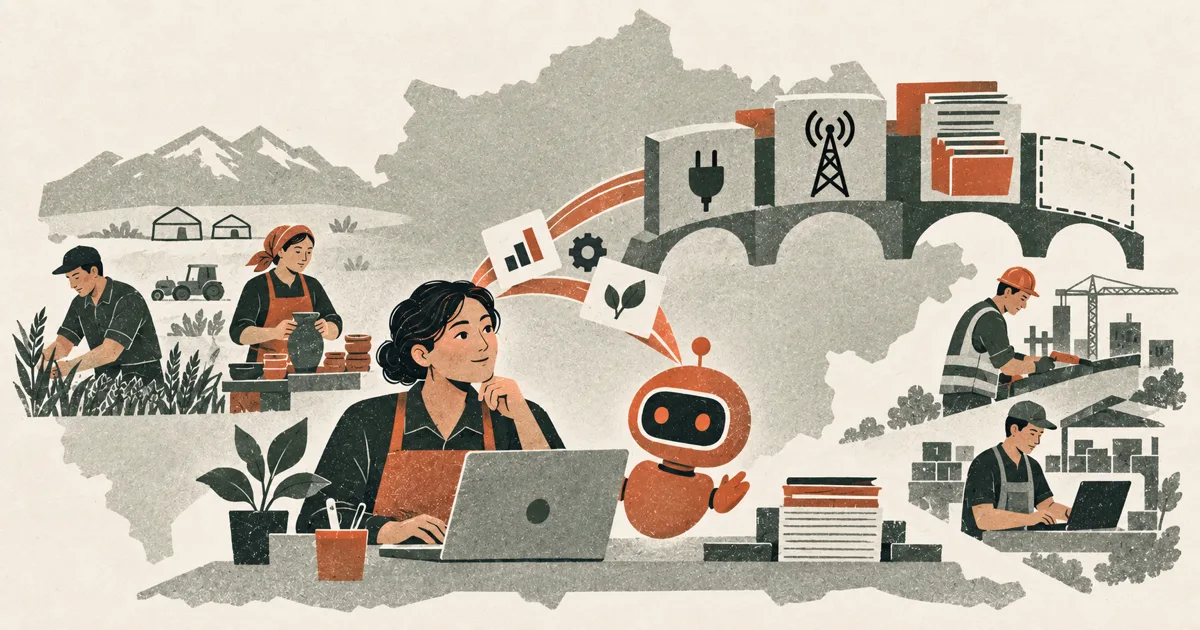
AI in Developing Economies: Automation Risk Is Three Times Lower, the Upside Almost the Same
According to the World Bank, 4.5% of jobs in low- and middle-income countries are at risk of automation, against 14.2% in high-income countries. The potential productivity gain is almost equal. What this means for Kazakhstan.
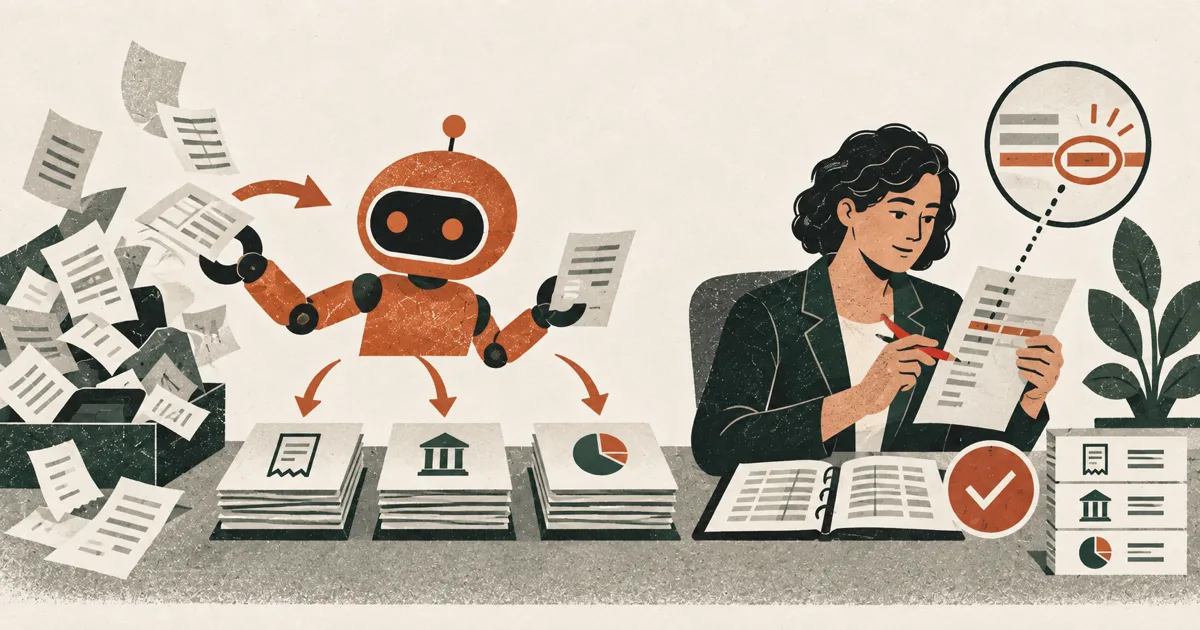
AI-бухгалтер в 2026 году: что ИИ уже делает в учёте и где решение остаётся за человеком
QuickBooks и Xero запустили ИИ-агентов, стартапы в этой нише привлекают десятки миллионов долларов, а в Казахстане ИИ пользуются 3,4% компаний. Разбираем, что говорят данные и от чего зависит эффект.
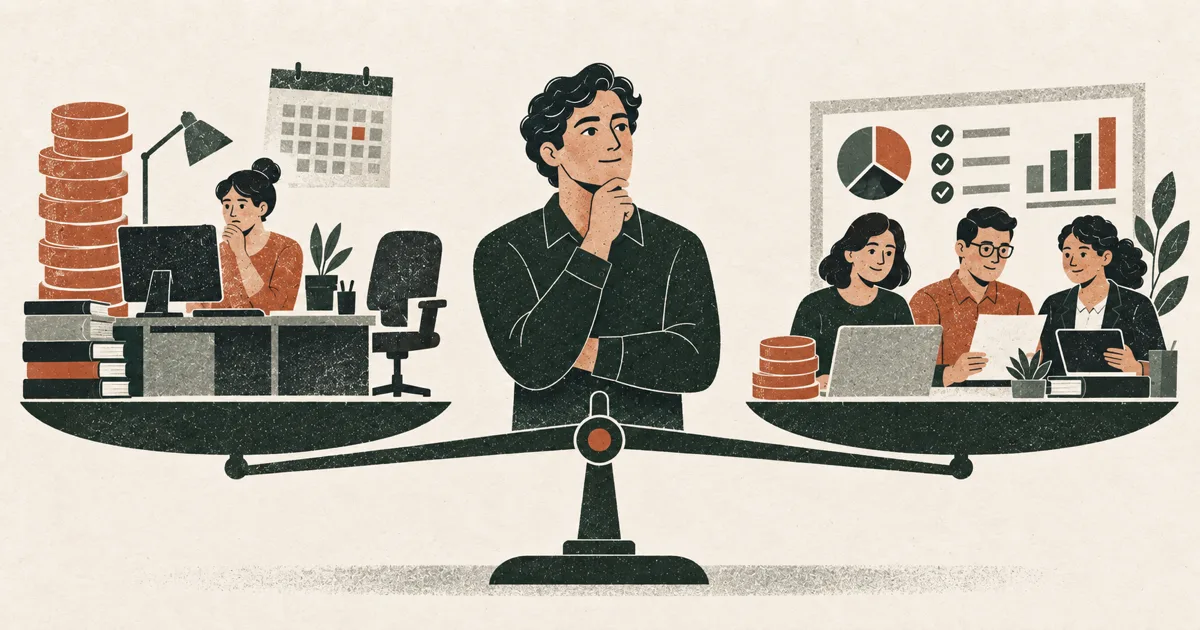
Outsourcing vs. In-House Finance: Which Is More Cost-Effective?
An in-house financier means more than just a salary. We calculate the true cost: taxes, workspace, and the risk of downtime.
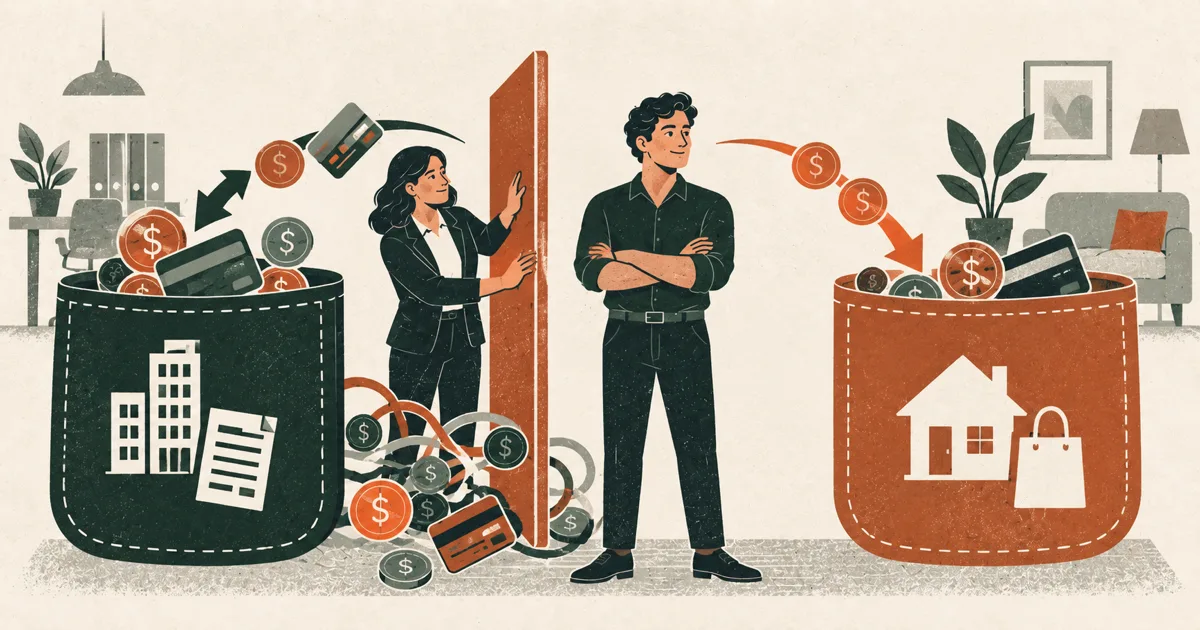
Two Pockets: How an Owner Can Separate Personal and Business Money
Profit is there but no cash? We break down why owners mix personal and corporate finances and how to fix it.
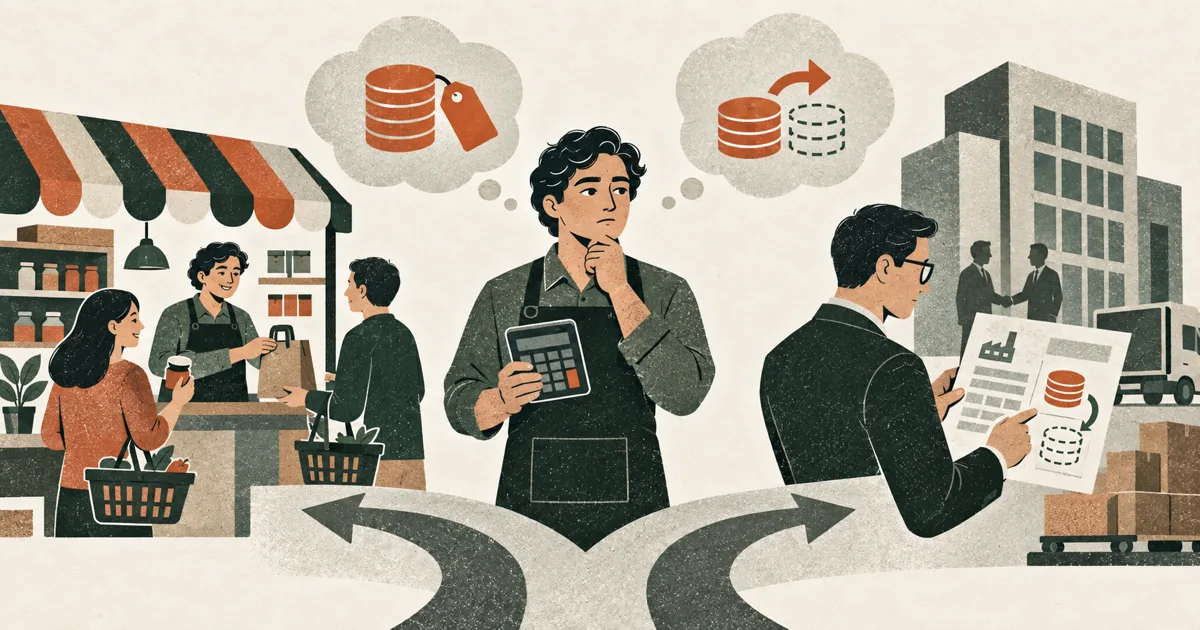
On Simplified Tax: Who It Helps and Who It Hurts in B2B Sales
From 2026, the simplified tax regime became a handicap for those selling to businesses. We break down when switching to the general regime makes sense and when staying put is better.
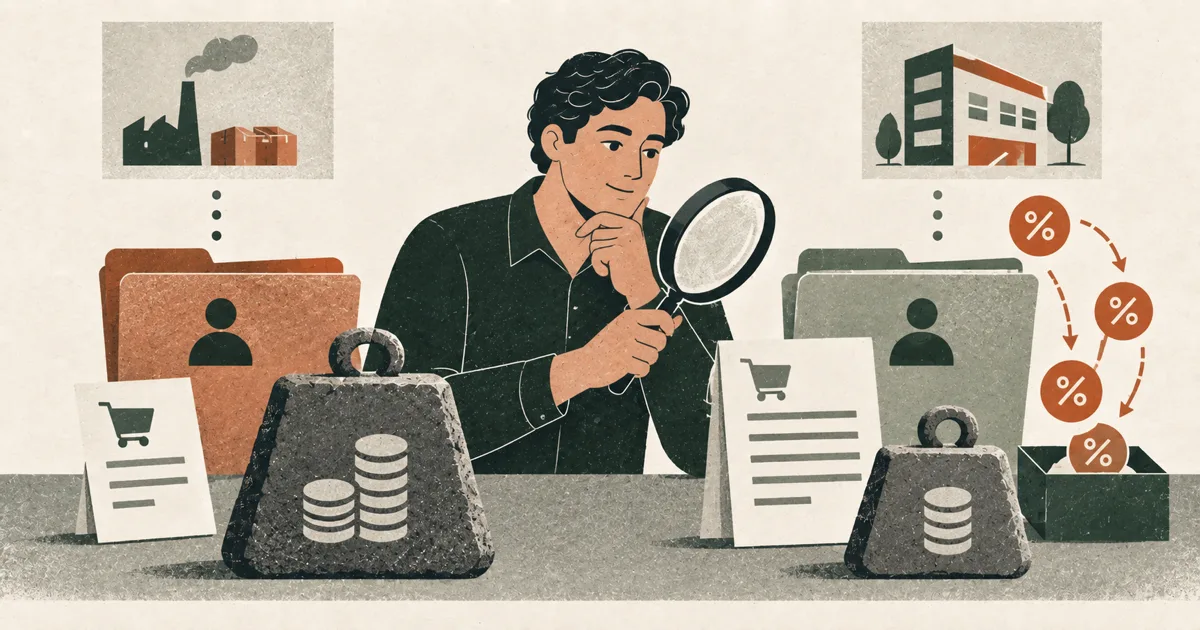
Contractor on Simplified Tax vs. General Regime: How to Calculate Real Cost in 2026
From 2026, your supplier's tax regime affects your bottom line. We break down when a simplified-regime contractor costs more than their invoice suggests.

Don't Become Dependent on Your "Trusted" Accountant
Relying on a single accountant for years is an operational risk. A real case from our practice: how accounting chaos concealed chronic losses.